How AI-Powered Waste Sorting Supports the Circular Economy and Sustainability Goals
As global waste generation continues to rise, achieving sustainability goals and mitigating climate change has become increasingly challenging. Traditional manual sorting methods struggle to keep up with the volume and complexity of modern waste streams. AI-driven sorting systems and robotics solutions are revolutionizing recycling operations, enabling efficient recovery of materials and directly supporting the circular economy. By adopting these technologies, recycling facilities can increase efficiency, reduce contamination, and recover more valuable recyclables, creating both economic and environmental benefits for our planet.
What is the Circular Economy?
The circular economy is a systemic approach designed to minimize waste and maximize resource efficiency. Unlike the traditional linear economy, which follows a take-make-dispose model, circular systems focus on reusing, recycling, and recovering materials. Implementing circular economy principles ensures that organic materials, metals, plastics, and electronics are recovered and reintegrated into production cycles.
Challenges in Traditional Waste Management
Manual sorting faces several challenges:
- Labor-intensive processes that are slow, costly in terms of labor cost, and prone to errors
- Difficulty in accurately separating plastics, organic waste, electronic waste (batteries etc.), and mixed packaging
- Inconsistent recovery rates, leading to more waste sent to landfills and increased emissions
These limitations make it clear that innovative robotics solutions are required to meet growing recycling demands and sustainability objectives.
AI-Driven Waste Sorting and Sustainability
Artificial intelligence (AI) algorithms, computer vision, and advanced robotics platforms are transforming how waste is processed:
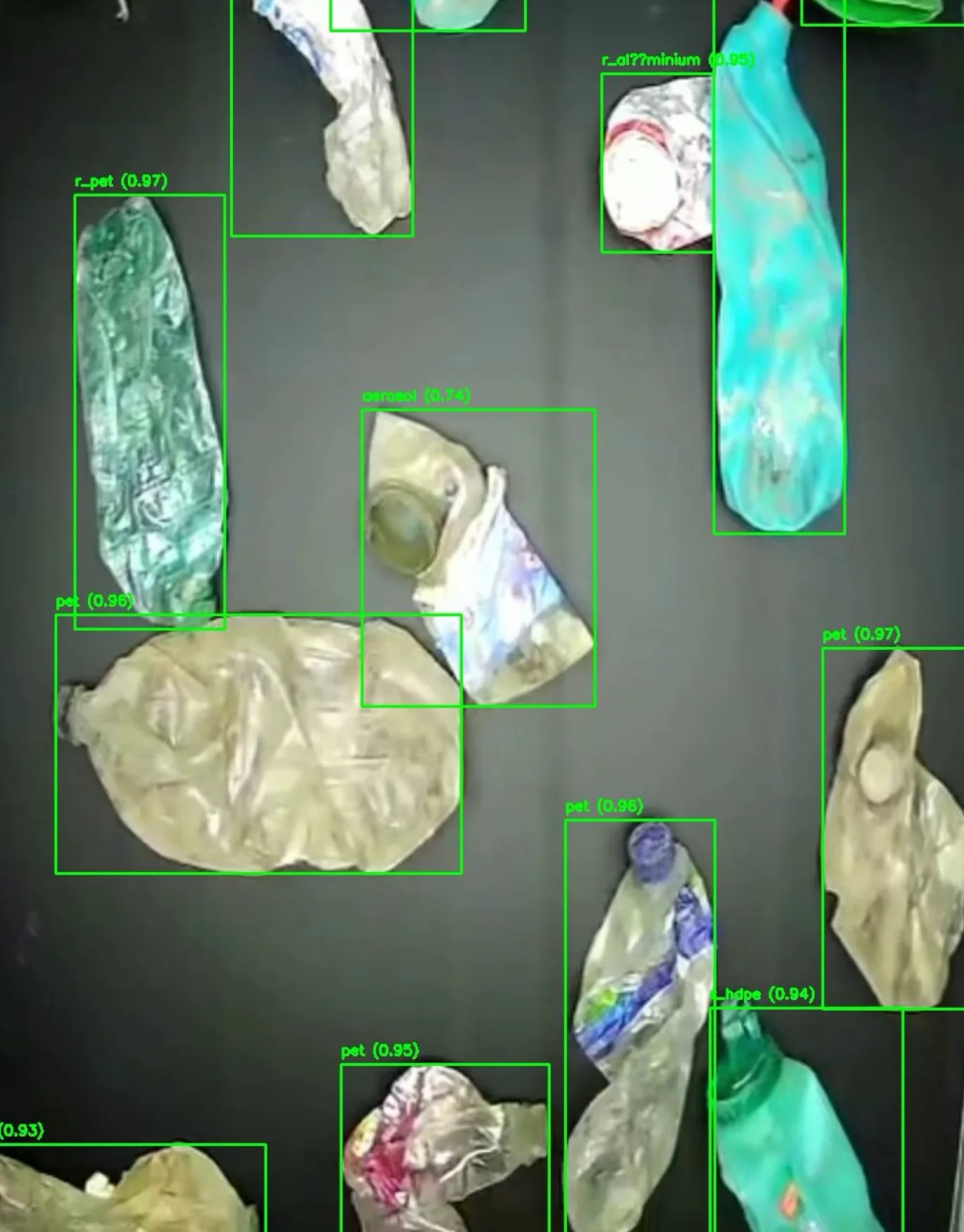
- AI-driven robots can identify and sort different items, including organic waste, plastics, metals, and recyclable materials
- Robots handle large volumes quickly, reducing reliance on human labor while maintaining high quality of sorted materials
- Improved sorting efficiency enhances recycling rates, reduces contamination, and supports sustainability goals. These advancements contribute directly to a more efficient and resilient circular economy by optimizing the use of resources.
- Automated separation of different packaging types improves overall quality and value of recovered materials
Recycling Case Studies / Real-World Applications
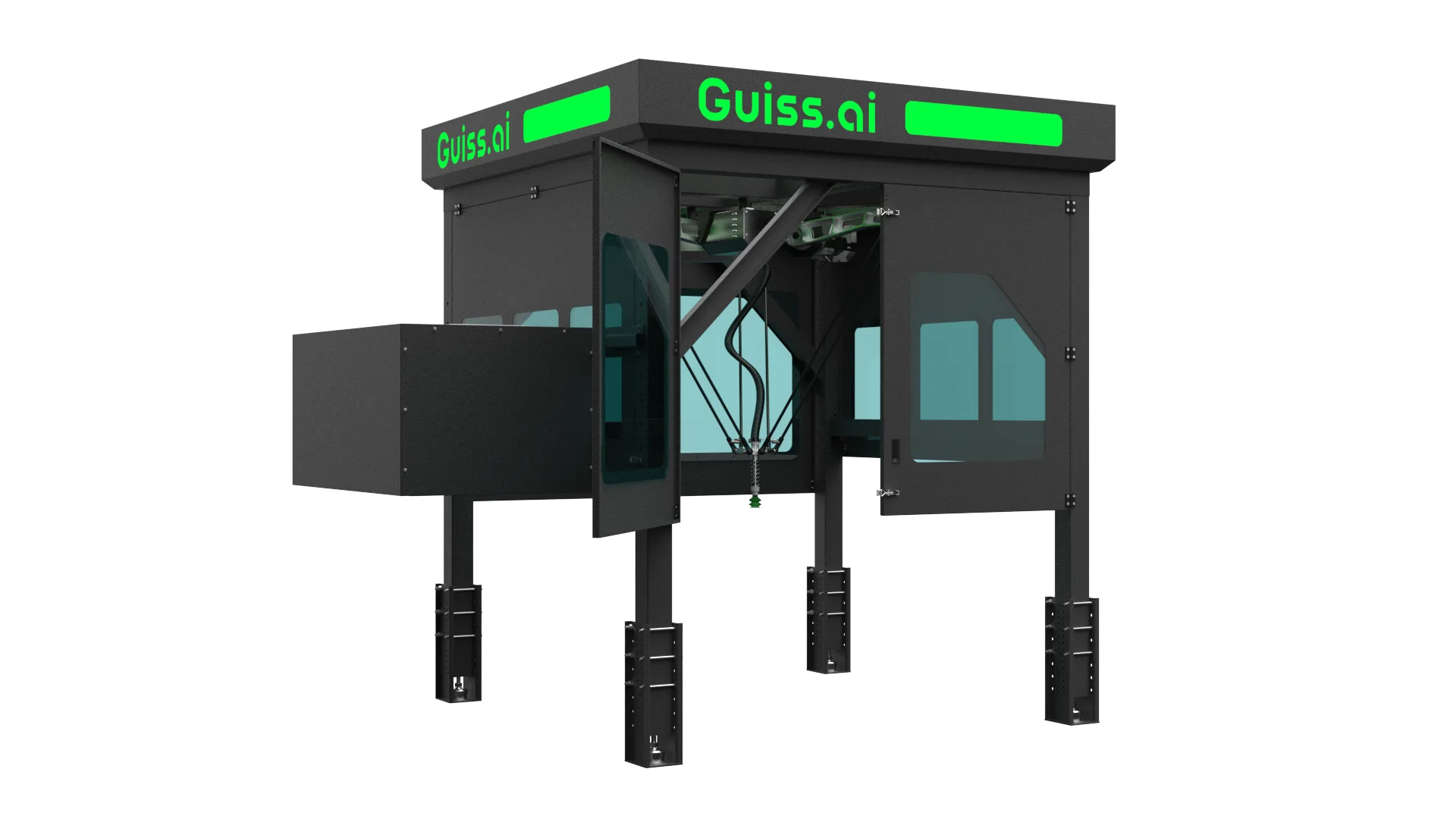
Loopbot has implemented AI-driven separation systems in multiple recycling facilities, successfully separating plastics, e-waste, organic waste and recyclable materials with high precision. Facilities using these systems report:
- Faster separation cycles
- Reduced labor costs
- Increased recovery of valuable recyclable materials
For example, a facility in Bursa, Turkey integrated AI robots alongside human workers and achieved a 30% increase in separation effectiveness, highlighting the real-world impact of these robotics platforms.
Benefits for Businesses and the Environment
Adopting AI-driven material separation robots provides multiple advantages, supporting the circular economy and enhancing recycling by maximizing material recovery and reducing waste.
For Businesses:
Reduced operational costs, higher productivity, compliance with environmental regulations, and alignment with circular economy practices.
For the Environment:
Lower landfill waste sent to landfill, reduced emissions, higher recycling rates, mitigation of climate change.
For Society:
Supporting sustainable practices, reducing single-use plastics, and protecting our planet while strengthening the circular economy.
Conclusion
AI-driven waste separation are not just technological innovations—they are essential tools for advancing the circular economy and achieving ambitious sustainability goals. By adopting these robotics solutions, businesses and communities can recover more materials, reduce waste, and contribute meaningfully to a sustainable future.