How AI Is Transforming Waste Sorting: A Complete Guide to Smart Recycling Robots
Waste sorting is one of the most critical — and challenging — steps in modern recycling systems. As global waste volumes increase and sustainability targets become more ambitious, traditional manual sorting methods are struggling to keep up. This is where artificial intelligence (AI) and smart recycling robots are fundamentally changing the game and contributing to the circular economy.
In this guide, we explore how AI-powered material sorting systems enable advanced material separation, the technologies behind them, and why smart robots are becoming essential for efficient, scalable, and cost-effective recycling operations.
What Is AI Waste Sorting Robots ?
AI materials sorting refers to the use of artificial intelligence, computer vision, and robotics to automatically identify, classify, and separate different types of waste materials.
Unlike conventional systems that rely heavily on manual labor or basic mechanical separation, AI-based automated separation system systems can:
- Recognize materials visually
- Learn from data over time
- Adapt to different waste streams
- Operate continuously with high accuracy
These systems are commonly used in material recovery facilities (MRFs), industrial recycling plants, and smart city waste management projects.
How Traditional Sorting Operation Works
Traditional sorting operation typically relies on a combination of:
- Manual picking by human operators
- Mechanical screens and conveyors
- Magnetic separators (for metals)
- Optical sensors with limited classification ability
While these methods have been used for decades, they come with major limitations:
- High labor costs
- Inconsistent sorting accuracy
- Worker safety concerns
- Difficulty handling mixed or contaminated waste
- Limited scalability
As waste stream characteristics becomes more complex, manual and semi-automated systems are increasingly inefficient.
Key AI Technologies Used in Sorting Operations
AI-powered recycling systems combine multiple advanced technologies to achieve high performance.
Computer Vision
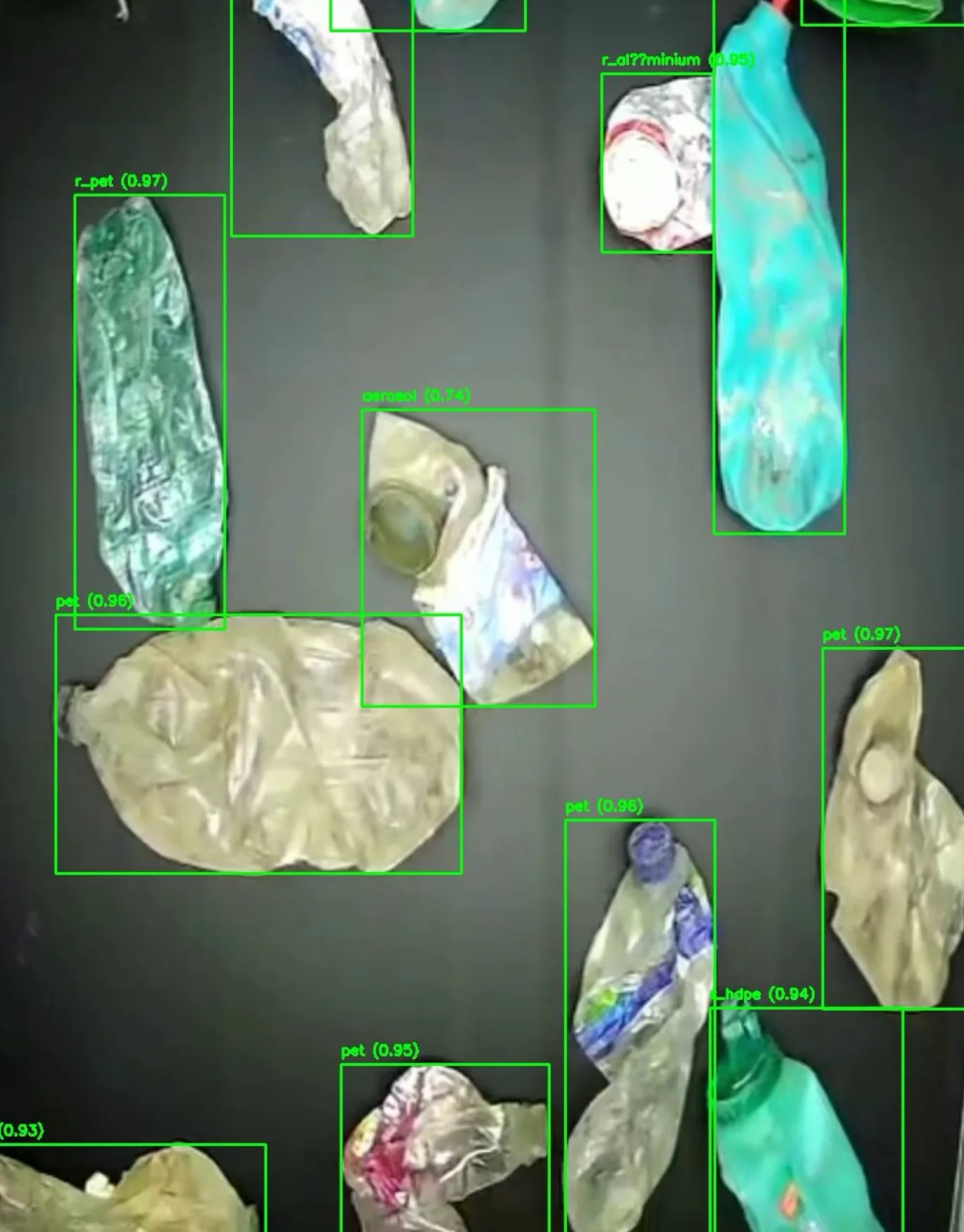
High-resolution cameras capture real-time images of waste on conveyor belts. AI models analyze shape, color, texture, and surface features to identify materials such as plastic, paper, metal, or organic waste.
Machine Learning & Deep Learning
Machine learning algorithms are trained on thousands — sometimes millions — of waste images. Over time, the system improves its recognition accuracy, even when dealing with dirty, damaged, or overlapping materials.
Robotic Systems
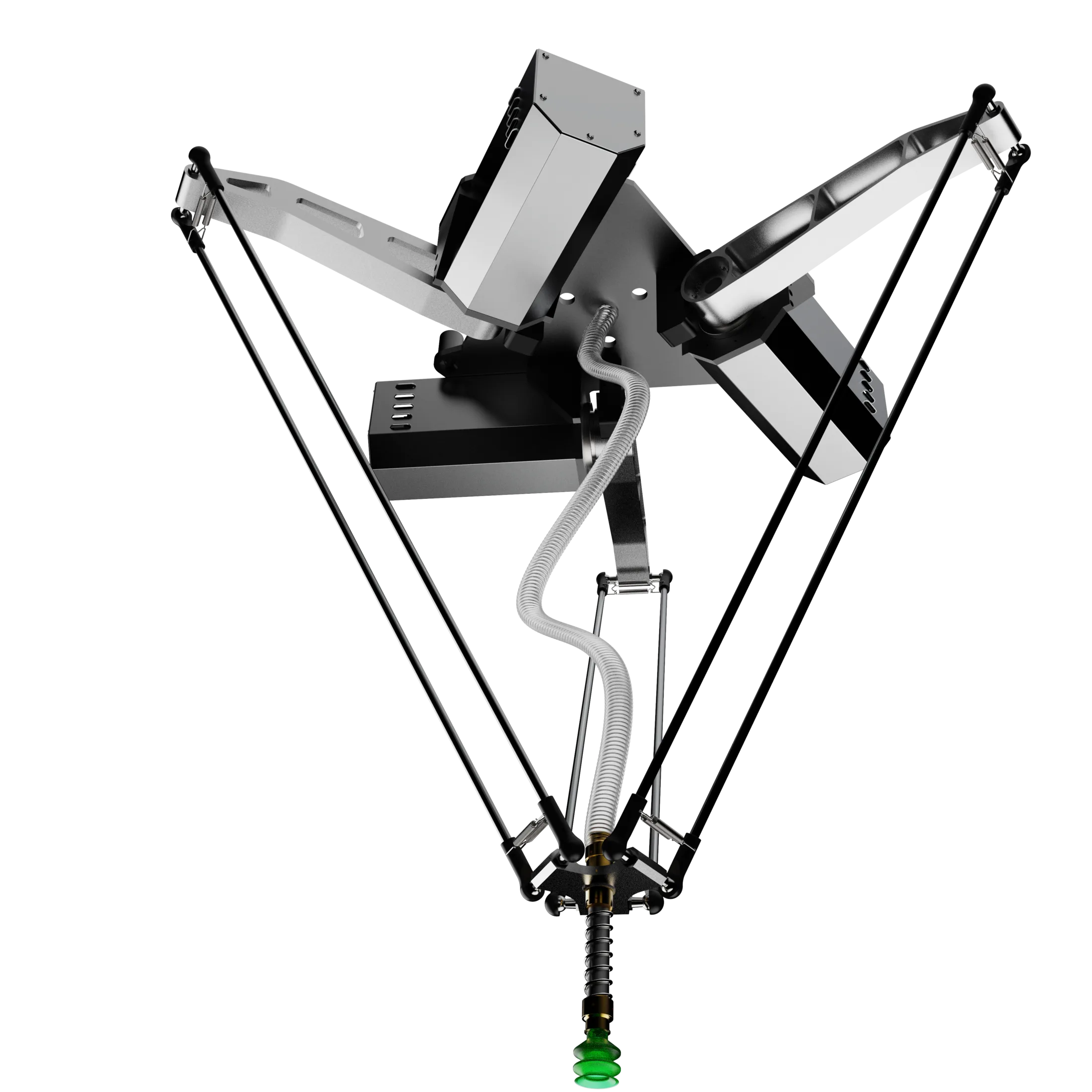
Once an item is identified, robotic arms or pneumatic systems physically separate it. These robots operate at high speed and precision, enabling consistent sorting performance.
AI Control Software
Centralized software manages classification rules, performance monitoring, and system optimization. Operators can update sorting criteria without mechanical changes.
Benefits of AI-Driven Separation Robots
Higher Sorting Accuracy
AI systems can achieve significantly higher accuracy compared to manual sorting, especially for visually similar materials.
Reduced Operational Costs
By minimizing manual labor and reducing sorting errors, material recovery facilities can lower long-term operating expenses.
Increased Throughput
Smart robots can operate continuously and at high speeds, enabling facilities to process more waste in less time.
Improved Worker Safety
Automation reduces human exposure to hazardous materials and repetitive physical tasks.
Data-Driven Recycling
AI systems generate valuable data on waste stream characteristics, contamination rates, and operational performance — supporting better decision-making.
Manual vs AI-Driven Sorting Process
| Feature | Manual Sorting Process | AI-Powered Sorting Process |
|---|---|---|
| Accuracy | Variable | Consistently High |
| Scalability | Limited | Highly scalable |
| Labor Dependency | High | Low |
| Operational Cost | Increases over time | Optimized long-term |
| Adaptability | Low | High (software-based) |
This comparison highlights why many recycling plants are transitioning toward AI-based solutions.
Use Cases in Industrial Recycling Plants
AI material separation robots are already being used in various real-world applications:
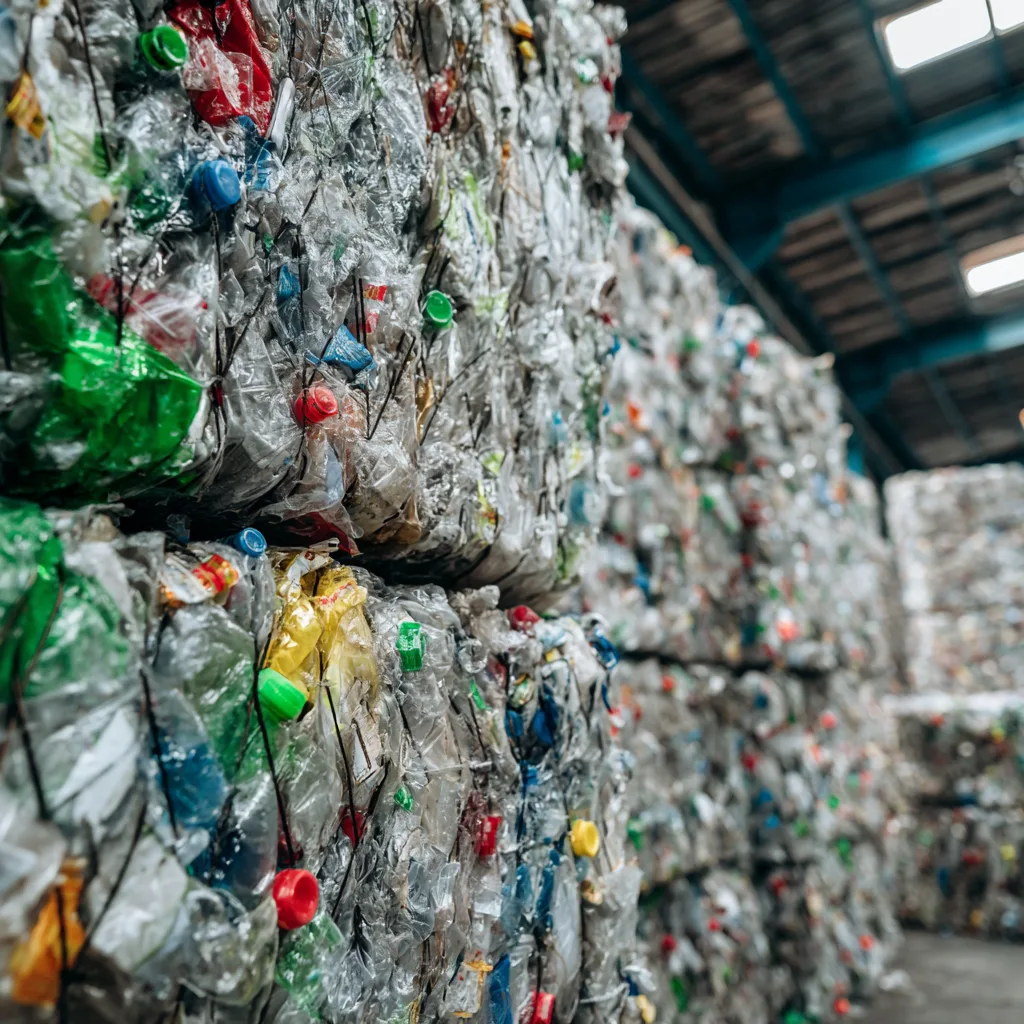
- Plastic recycling plants separating PET, HDPE, and mixed plastics
- Construction and demolition material sorting
- Municipal solid waste (MSW) processing
- Packaging waste recovery
- Smart city recycling initiatives
These systems are especially effective where input streams are mixed, inconsistent, or contaminated.
The Role of AI in Smart Cities and Sustainability
Smart cities aim to optimize resources, reduce emissions, and improve operational efficiency. Waste management plays a crucial role in this vision.
AI-driven separation contributes to:
- Higher recycling rates
- Reduced landfill dependency
- Lower greenhouse gas emissions
- Better compliance with environmental regulations
By integrating AI sorting systems into urban infrastructure, cities can move closer to circular economy goals.
Challenges and Considerations
Despite its advantages, AI material separation also comes with challenges:
- Initial investment costs
- Data quality and training requirements
- Integration with existing infrastructure
- Need for skilled technical support
However, as AI technology matures and hardware costs decrease, these barriers are rapidly diminishing.
The Future of AI in Waste Management
The future of material separation is increasingly autonomous, data-driven, and intelligent. Emerging trends include:
- Self-learning AI models
- Multi-material recognition
- Predictive maintenance
- Integration with IoT and smart grids
- Real-time environmental impact tracking
AI-powered recycling robots will not only sort waste but also help optimize entire waste management ecosystems.
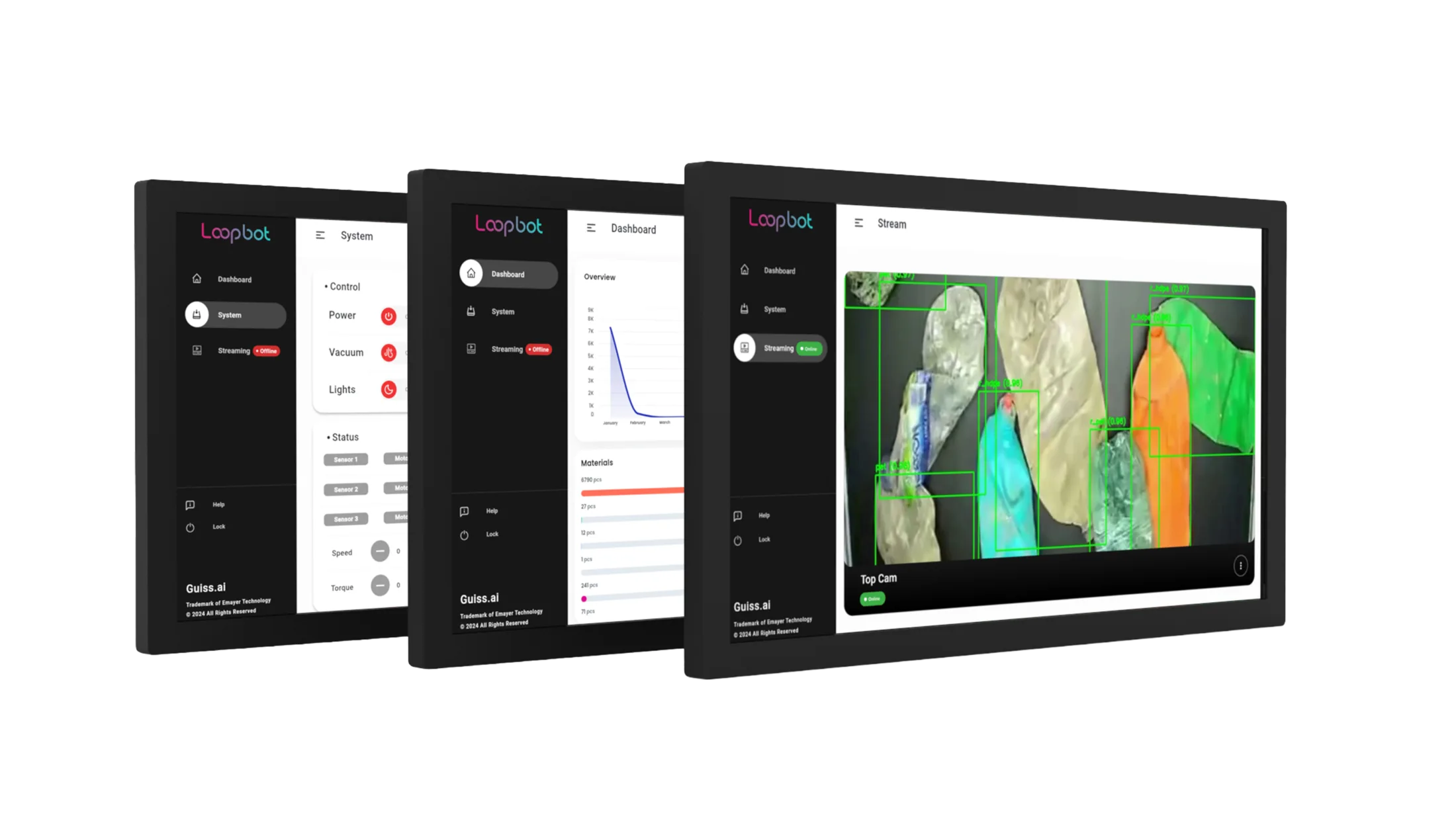
Our AI-driven separation system is designed to identify and separate recyclable materials with high accuracy. By combining advanced vision algorithms and real-time data processing, the system analyzes different types of plastic waste and improves the overall recycling process. Unlike traditional material separation methods, AI sorting operation enables more efficient material recovery while reducing contamination rates in recycling facilities.
The system is designed to operate efficiently in modern waste facilities, supporting the separation of electronic waste and other complex material streams. By analyzing waste generation patterns, the platform helps facilities optimize their processes and improve overall operational efficiency without increasing manual labor.
Modern material separation robots are transforming the recycling industry by analyzing waste composition in real time and recovering valuable materials that would otherwise be lost. These systems are capable of identifying complex items such as plastic bags, which are traditionally difficult to separate using conventional methods, helping facilities increase efficiency and material recovery rates.
By leveraging advanced AI algorithms, each AI robot can adapt to different waste streams and support waste recycling efforts at scale. This approach plays a critical role in reducing e-waste, limiting the impact of single-use plastics, and helping organizations achieve long-term sustainability goals without compromising operational efficiency.
Computer vision plays a critical role in understanding material flows across modern waste facilities, enabling more accurate decision-making throughout the recycling process. By analyzing different input streams, AI-powered systems contribute to a more efficient circular economy, ensuring that recyclable materials are recovered and reused at scale.
This data-driven approach supports the transition toward a scalable circular economy across industrial recycling operations.
Conclusion
AI is no longer a futuristic concept in waste management with computer vision — it is an active force reshaping how recycling facilities operate today. By combining computer vision, machine learning, and robotics, AI-powered automated separation systems deliver higher efficiency, accuracy, and sustainability.
As waste volumes continue to grow and environmental regulations tighten, smart recycling robots are becoming a strategic necessity rather than a technological luxury.
At Loopbot, we believe that intelligent robotics and AI-driven sorting technologies are key to building scalable and sustainable recycling systems for the future.